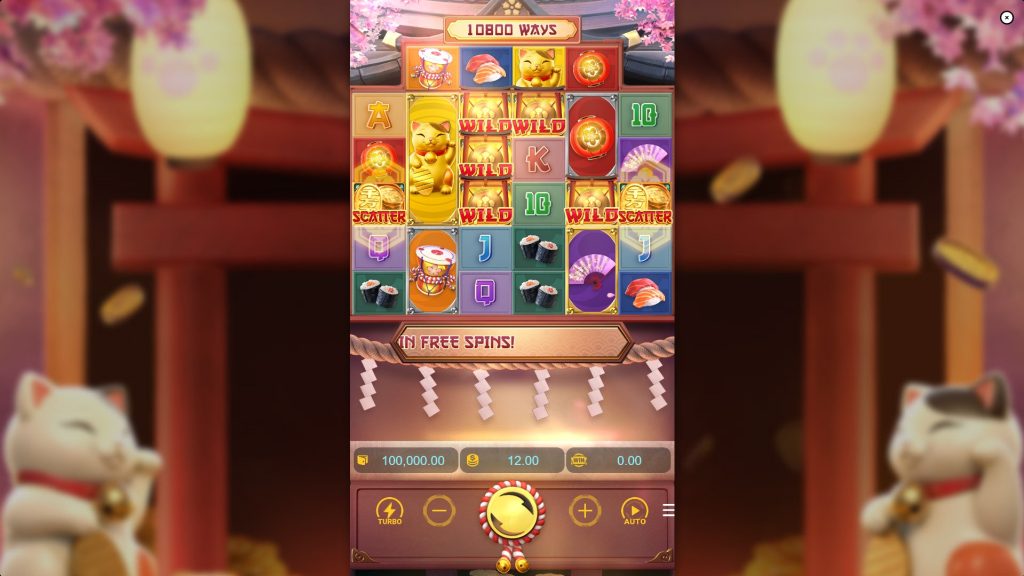
Quick answers
What are players usually trying to learn when they look up "lucky neko free spins guide"?
Most people want a quick read on how Lucky Neko actually plays: how volatile it feels, how quickly the rhythm becomes clear, and whether it suits short or longer sessions.
Is Lucky Neko beginner-friendly or expert-only?
It is approachable for newer players if they keep their session pace under control, while experienced players will get more out of the timing and feature reading.
How should bankroll be structured for this title?
A simple split works well: a base session budget, a smaller amount for adjustments, and a hard stop you do not touch. That keeps one rough stretch from turning into a chase.
What is the biggest mistake people make with Lucky Neko?
A lot of players ignore multiplier rhythm and session bankroll control and react too quickly to short streaks, which usually leads to uneven decisions later in the session.
How can I compare this game with alternatives objectively?
Play a few sessions with the same budget and stop rules, then compare rhythm, drawdown pressure, and how often the game asks you to force decisions.
What to remember
- Most sessions improve when you spend the opening minutes reading the pace instead of forcing action.
- Bankroll structure matters more than one lucky run.
- The same game can feel very different on mobile and desktop.
- Simple notes after a session reveal patterns faster than memory does.
Quick view
If you looked up "lucky neko free spins guide", you probably want a straight answer before you read the full breakdown.
This guide starts with the short version, then moves into session feel, bankroll pressure, and how well Lucky Neko fits different kinds of players.
Before you start
Lucky Neko Free Spins Guide usually comes up when players want a clearer read on Lucky Neko before they spend more time on it. Most players looking this up want a clear sense of whether the game is worth their time, focus, and bankroll. The useful question is not whether the game can produce a strong moment, but whether it holds together once the early novelty wears off and the session starts to settle.
That is the angle this review takes. Instead of leaning on big claims, it looks at how Lucky Neko behaves across ordinary play: how quickly the rhythm becomes readable, how much patience it asks for, and when it starts asking too much from your bankroll.
How the game feels in a real session
In practice, Lucky Neko plays best when you stop trying to win every swing and start reading the session in phases. The opening minutes are for seeing how quickly features appear and whether the game is giving you enough information to stay. After that, the real job is pacing: knowing when to stay patient, when to lean in, and when to cool off before a rough patch turns into a bad run.
The heart of this title is multiplier rhythm and session bankroll control. That matters because plenty of players know the rules and still end up with sloppy sessions. The issue is usually not knowledge but tempo. When the pace of your decisions matches what the game is actually showing you, the whole session becomes easier to manage.
Volatility and bankroll
The risk curve here is not smooth, so bankroll control matters more than one good streak. That is why Lucky Neko is easier to enjoy when you go in with a clear budget. A sensible setup is simple: one amount for the main session, a smaller amount for adjustments, and a hard stop that ends the run without debate.
Pay attention to the distance between decent wins, not just the size of the best hit on screen. If those gaps keep stretching out, the smart move is usually to step down or call it there. Good sessions are not built on one spike. They are built on staying in control long enough to know what kind of day the game is giving you.
Who this game suits
Not every player will enjoy Lucky Neko in the same way. Someone who likes to settle in, watch a few cycles, and make measured adjustments will usually get more from it than a player who wants instant action every minute. It usually works best for players who prefer medium-risk sessions and clear stop points.
A good rule is to treat the first ten minutes as a read on the table or reels rather than a test of nerve. If the game feels flat, there is no shame in leaving early. If it starts showing a cleaner rhythm, that is the moment to make small, controlled adjustments instead of one big jump.
Common mistakes
Many players lock onto one stat or one feature and ignore how the rest of the session is unfolding around it. The easiest trap is remembering the best moment of the session and forgetting how much it cost to get there. That kind of memory makes average runs look better than they really are.
A simple fix is to keep a very short note after each session: when you changed pace, why you changed it, and whether the game actually backed up that decision. A few honest notes will tell you very quickly whether you are reading Lucky Neko well or just reacting to noise.
Mobile vs desktop play
Device matters more than many players admit. On mobile, it is easier to get distracted, rush decisions, or skip the quiet part where you work out the rhythm. That makes shorter sessions and firmer stop points the safer choice.
Desktop play usually gives you a bit more room to observe before committing, so it can suit deeper sessions better. Either way, the best approach is the simpler one: fewer moving parts, clearer triggers, and no pressure to force action just because the screen has been quiet for a while.
How it compares with similar games
Against similar games, Lucky Neko looks strongest when you care about multiplier rhythm and session bankroll control. If your main goal is pure volatility and the chance of a louder highlight, another title may feel more exciting. That does not automatically make it the better long-term pick.
The fair way to compare games is to keep the budget and stop rules the same across a few sessions. Then look at which one feels easier to read, which one applies more pressure during dry stretches, and which one leaves you making calmer decisions. The game with the lower peak can still be the better keep in your regular rotation.
Final thoughts
The clearest takeaway is that Lucky Neko makes the most sense when you treat it as a game with a rhythm, not a shortcut to one big result. Players who stay patient, keep their budget clear, and step away when the session goes flat will usually get a better read on what it actually offers.
Taken on those terms, Lucky Neko is worth your time if you like measured decisions and can let the game reveal itself before you press harder. If you want instant fireworks every session, it may not be the right fit. If you want something you can learn and manage over time, it has a lot more to offer.